

Most people in Ipswich know Emmaus Suffolk for its second-hand furniture shops, cafés and vintage finds. But behind the reclaimed tables and bargain sofas is a very different approach to homelessness support.
Part of the wider Emmaus UK network, Emmaus Suffolk works with people experiencing homelessness, isolation and hardship. Residents are called “companions” rather than “service users,” with the charity focusing on community, structure, and rebuilding confidence through shared living and work.
Unlike emergency shelters, Emmaus offers longer-term support. Companions help run the organisation’s shops, cafés and workshops, creating a social enterprise model that partly funds itself through donated goods and community support.
Supporters say the model gives people routine, purpose and stability. Critics argue it can blur the line between support and unpaid labour, with companions receiving accommodation and a small allowance rather than wages.
Whatever your view, Emmaus has become a visible part of Ipswich life, not just as a charity, but as a conversation about how homelessness support should really work.
From furniture warehouses to community cafés, Emmaus Suffolk is trying to build more than temporary shelter. It’s trying to build belonging.
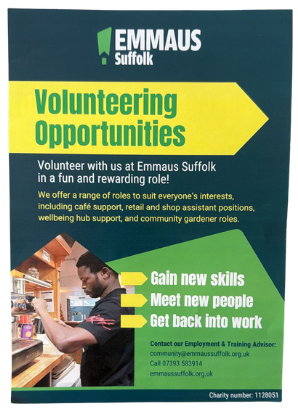
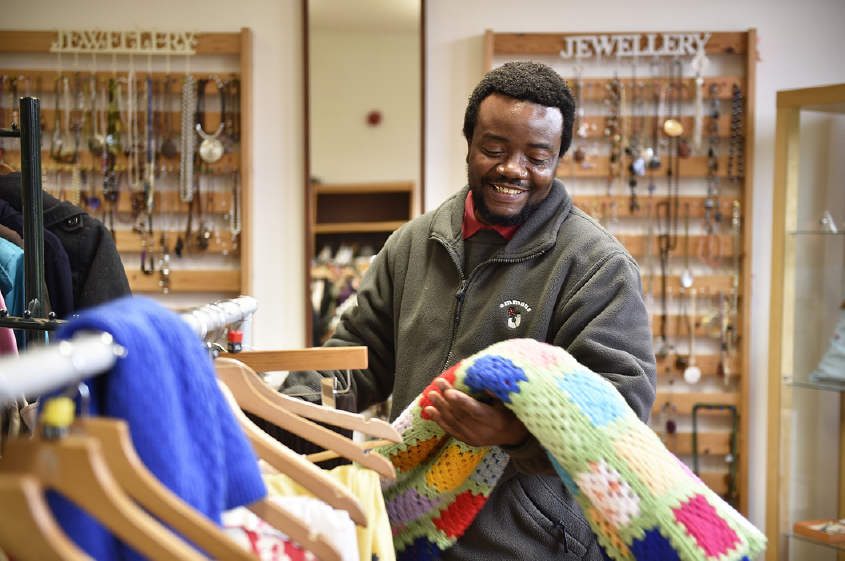
Emmaus in Ipswich
Emmaus Suffolk has grown significantly since opening in Ipswich in 2015. Today, the organisation operates multiple locations across Suffolk, including shops, cafés, workshops and support hubs.
Its Ipswich locations include:
- The Dales Road shop and café
- The Carr Street community shop and workshop
- The Royal Oak Community Café on Felixstowe Road
- Community hubs offering social support and activities
The organisation also runs stores in Felixstowe and Woodbridge.
Emmaus Suffolk says its model focuses not only on homelessness, but also on preventing isolation and helping people regain confidence, routine and stability.
Why Emmaus Matters to Ipswich
Whether people fully agree with the Emmaus model or not, there is no denying the organisation has become a significant part of Ipswich’s social landscape.
At a time when many towns are struggling with rising homelessness, loneliness and pressure on public services, Emmaus Suffolk represents a different approach, one built around community, second chances and social enterprise.
Its cafés, workshops and shops are now woven into daily life for many local residents, while, behind the scenes, the organisation continues to work with some of Suffolk’s most vulnerable people.
And in a town where conversations around homelessness often focus only on crisis, Emmaus forces a bigger discussion: “What does rebuilding a life actually look like?”