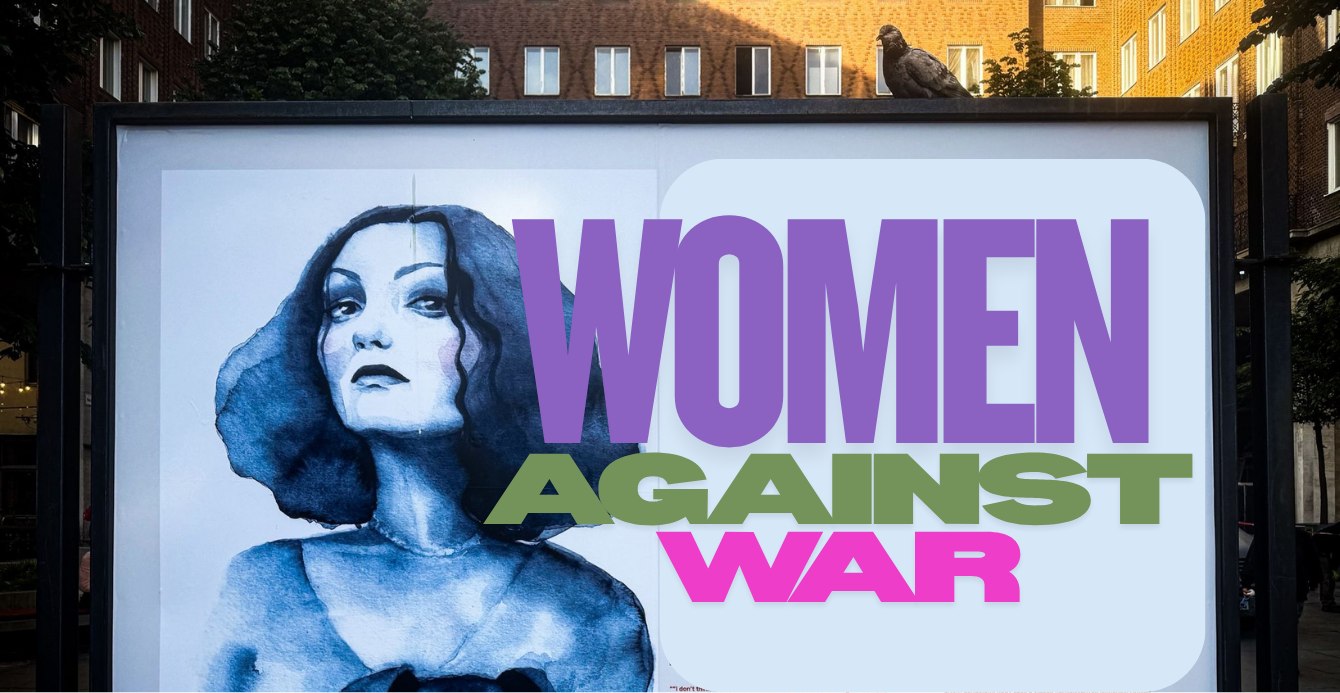
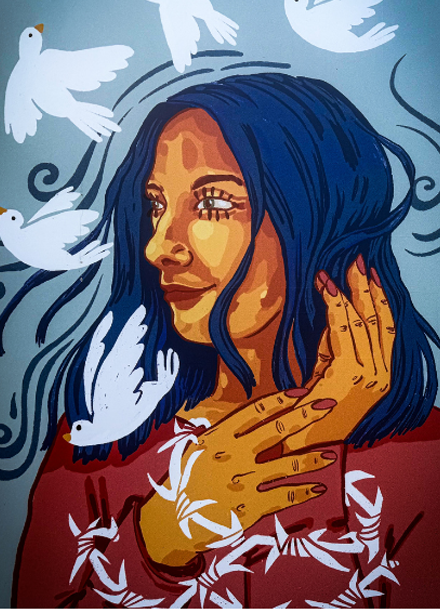
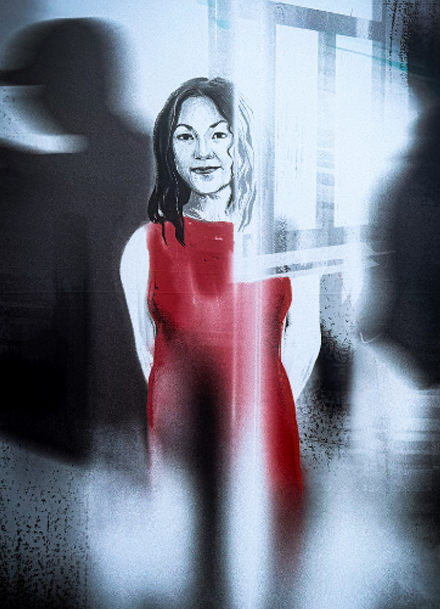
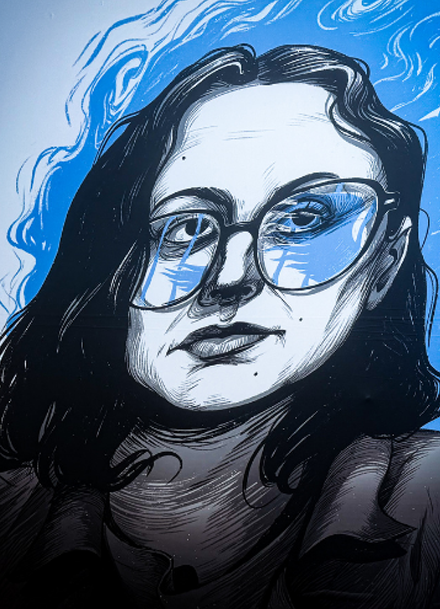
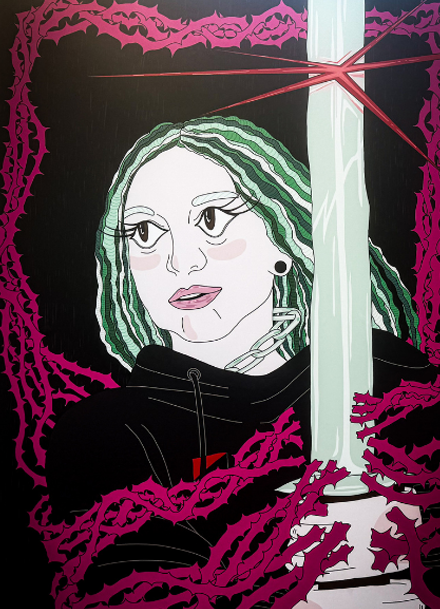
We stumbled across this exhibition quietly tucked within a small square in Budapest – and it left us completely winded.
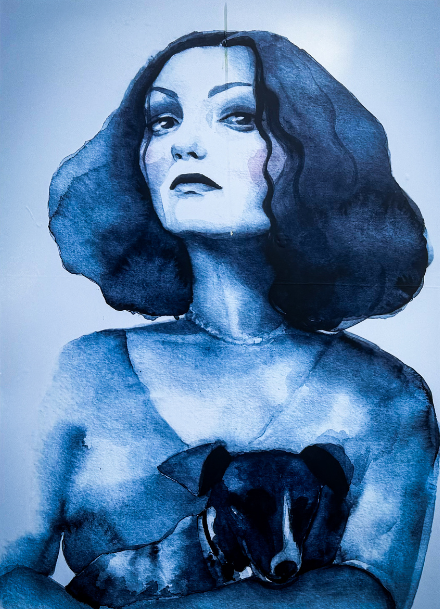
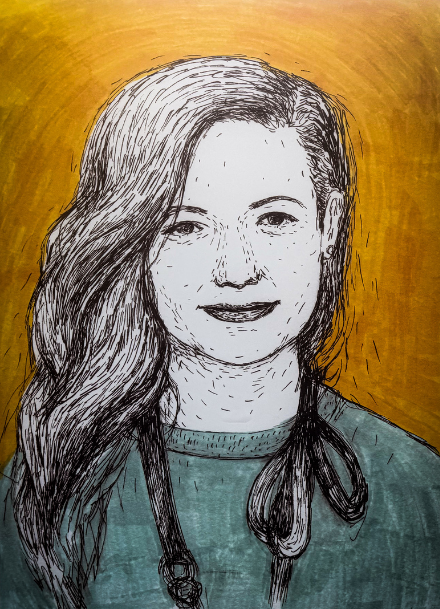
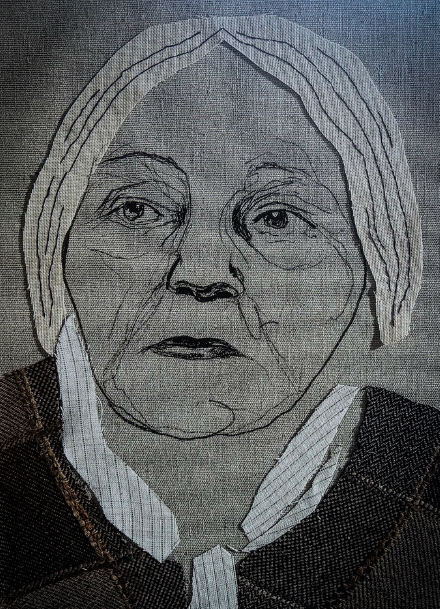
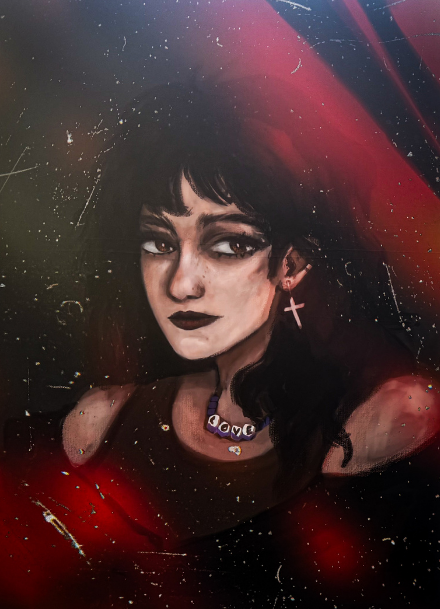
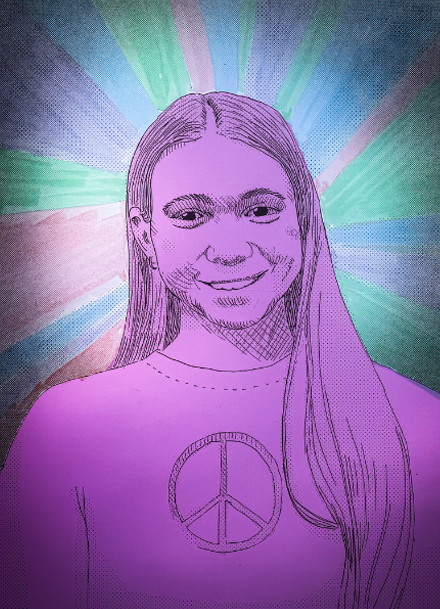
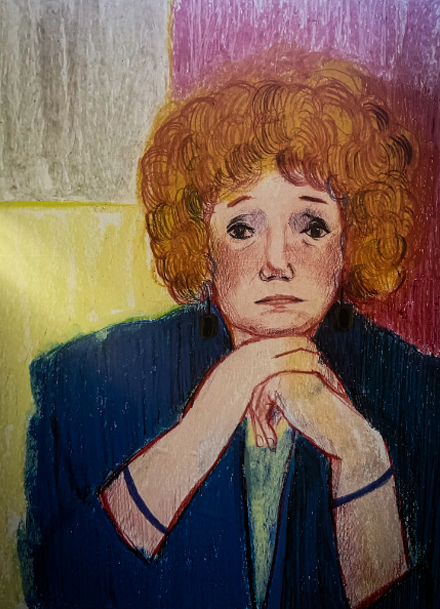
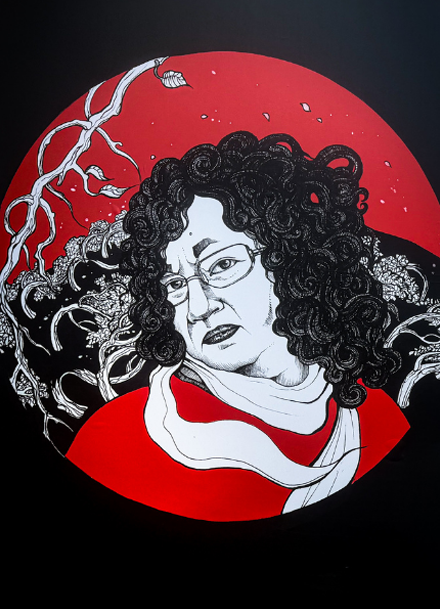
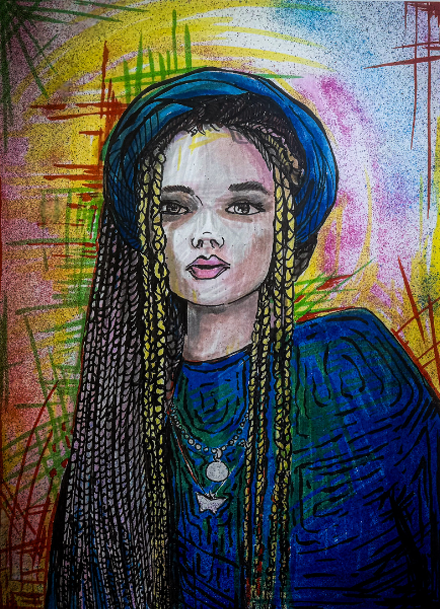
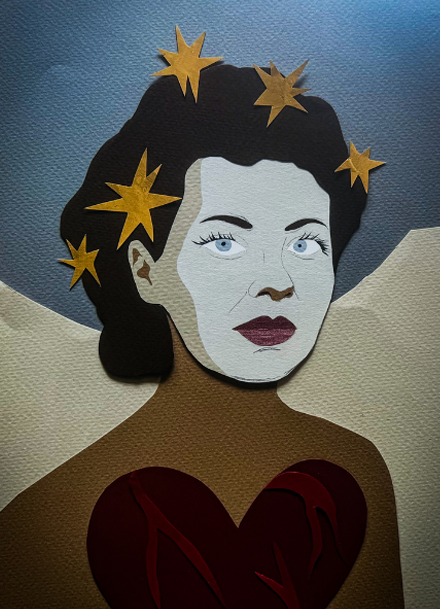
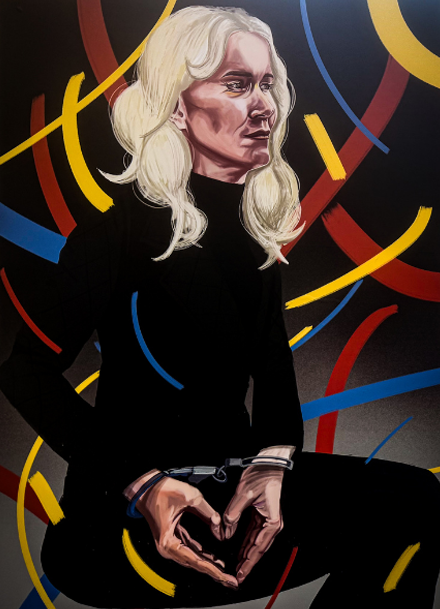
Behind every portrait stood a woman who had risked her freedom, safety, and future simply for refusing silence. Teachers, artists, mothers, students, pensioners, ordinary people placed in extraordinary circumstances, standing against war, repression, and fear with a kind of courage most of us can barely comprehend.
Reading their stories was heart-breaking and stomach-turning in equal measure. The quiet brutality of political imprisonment. The raids. The fabricated charges. The disappearances. The torture. The impossible choices. Yet somehow, through all of it, these women still chose humanity over obedience.
We felt these women deserved to be spoken about, remembered, and supported.
The exhibition, Women Against War, documents the stories of women from Russia who have faced political repression and state violence because of their anti-war views and activism following the full-scale invasion of Ukraine on 24 February 2022.
Since the outbreak of the war, thousands of women across Russia – from schoolgirls to senior citizens – have risked their own safety by protesting against the regime and the invasion. They have resisted mobilisation efforts, supported refugees, and exposed the realities of the war despite the consequences.
In response, the Russian state has carried out arrests, house raids, fabricated criminal cases, violence, intimidation, and torture against many of those involved.
According to human rights organisations, more than 20,000 people have been detained in Russia since February 2022 for expressing anti-war views or participating in anti-war activism. Memorial estimates that over 4,000 people are currently imprisoned or detained for political reasons across Russia and occupied Ukrainian territories – though the true figure may be far higher.
The exhibition highlights 14 women, but their stories represent thousands more still facing imprisonment and political persecution.
Many political prisoners rely entirely on public donations and human rights organisations for survival – helping fund basic necessities such as food, medicine, legal support, and communication with the outside world. Even the smallest contribution can make a difference.
This was the third edition of the Women Against War exhibition, created by the Feminist Anti-War Resistance. The portraits were created by feminist artists from Russia and Belarus – many of whom have faced repression themselves because of their activism and opposition to the war.
Some artists were forced to contribute anonymously due to the risks involved in participating.
We don’t pretend to fully understand the reality these women live through.
But we do believe stories like this matter.
It feels important to stop for a moment and simply acknowledge the immense bravery of people who continue to resist fear with compassion, dignity, and defiance.